
- Translator
- Navajo Code Talkers
Navajo Code Talkers facts
Navajo Code Talkers used a military code based on their language during World War II. They spoke Navajo code words over radio and telephone; they were not sending that code in Morse (Navajo Nation).
The Navajo Code Talkers were Marines who used a military code built from their language during World War II. They spoke coded messages over radio and telephone. This was voice communication, not Morse code (Navajo Nation). Their code included words for military terms and a way to spell English words with Navajo words representing letters (National Museum of the Marine Corps).
Who were the Navajo Code Talkers?
They were Navajo Marines trained for coded military communication (National Museum of the Marine Corps). The National Archives records that the first 29 Navajo recruits arrived at the San Diego Recruit Depot on 5 May 1942. They completed basic military training, then received instruction in messages and radio operation at Camp Elliott (National Archives).
They brought language knowledge to a demanding communications job. The Marine Corps museum describes code talkers working between ships and beaches, on reconnaissance missions, and at the front. It also explains that Native Americans served for varied reasons, including protecting their homelands, communities, and people (National Museum of the Marine Corps).
For a school report, introduce them as people with training and responsibilities. Use “Navajo Code Talkers” rather than describing the language itself as a secret invention. Ordinary messages in a language differ from a code built with agreed military terms. The Marine Corps museum describes the specially developed military vocabulary (National Museum of the Marine Corps). That distinction helps you explain what the Marines created.
How did the Navajo code work?
The code combined military vocabulary with a way to spell English words. Its first version contained 211 words (National Museum of the Marine Corps). Familiar words also received military meanings: the Navajo term for a hummingbird represented a fighter plane (National Archives).
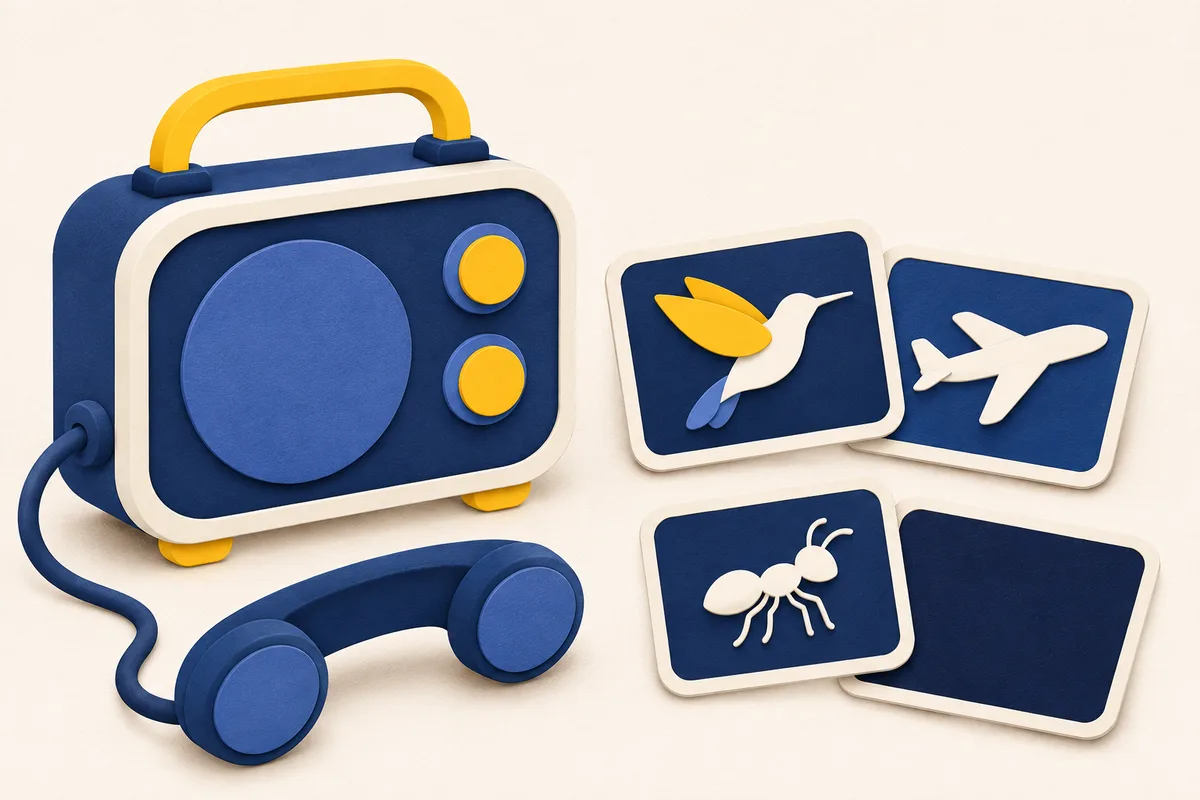
The code also represented English alphabet letters with Navajo words. For example, its A entry meant ant and its E entry meant elk. Operators spelled words that had no military code term (National Archives).
Using the National Archives’ historical spellings, WOL-LA-CHEE means ant and represents A; DZEH means elk and represents E. These examples explain the spelling method rather than Navajo pronunciation (National Archives).
Try a small paper exercise of our own. Write A and E on separate cards. On the reverse, write the matching entry above. Shuffle the cards, turn them over, and recover the letters. Then explain why translating the animal name is only one step in recovering a spelled word. Keep this activity labeled as a classroom demonstration.
Did code talkers use Morse code?
The Navajo code described here was spoken, while their communications training also included Morse code (National Park Service). The Navajo Nation's history specifically identifies telephone and radio transmission in the code talkers' language (Navajo Nation). Do not turn the syllables into dots and dashes when explaining that system.
Keep three questions separate in your notes: What did the message mean? How was it coded? How did it travel? For this example, “military instructions,” “agreed Navajo code words,” and “voice over radio or telephone” answer different questions. This also helps when comparing Morse radio work in World War II and Enigma machine facts.
The player below is our separate Morse example for the English word CODE. It is not a recording, translation, or reconstruction of a Navajo transmission. Use it only to compare the site's Morse listening exercise with the spoken-word system described above.
Check the displayed English letters against the Morse alphabet chart. You can choose another ordinary English word in the Morse code translator, or use the Morse listening lessons for practice.
Why did training and shared vocabulary matter?
Training helped code talkers use a shared vocabulary (National Archives). Repeating letters too predictably was a concern, so additional words were assigned to frequently used letters. For A, the original ant term gained alternatives meaning apple and axe (National Archives).
This means you should not assume that one letter always had only one possible code word. In a worksheet, state which small selection you are using. Do not mark a historically documented alternative wrong simply because it is absent from your classroom sheet.
The Archives also reports difficulties when operators trained at different times used modified vocabularies. Recommendations included refresher training and a standard military dictionary (National Archives). Accuracy depended on a shared system as well as language knowledge. In your report, include that practical problem beside the successful examples.
How can you research the people respectfully?
Start with individual names, and include the history of their language and community. The Navajo Nation Veterans Administration's memorial page lists individual code talkers, including Chester Nez, John Kinsel Sr., and Peter MacDonald (Navajo Nation Veterans Administration). Use that list as a starting point for choosing a person to research. Check the person's full name before copying it into a caption or project.
The Marine Corps museum connects the code talkers' legacy with the survival and strength of language and tradition. It also discusses the history of dispossession and policies that prohibited Native languages in boarding schools (National Museum of the Marine Corps). Give that context space in a classroom discussion. Avoid treating a people's language as a puzzle that exists only because of wartime service.
If you are searching for “Navajo code talkers fun facts,” choose a title such as “How the voice code worked” for your project. It lets you investigate an interesting communication method while keeping the seriousness of military service visible. For younger students, use the short letter exercise before discussing the harder historical context with a teacher.
A source activity for kids and teachers
Use these institutional resources for different tasks. The National Archives document lesson pairs its explanation with a wartime memorandum. The Smithsonian code-talking chapter is optional further reading. The Navajo Nation Veterans Administration memorial helps you keep individual names in view.
- Write one sentence answering “Was it Morse?” Identify the evidence for voice communication.
- Explain a letter entry and a military term. Label which method each example uses.
- Separate the date of a wartime document from the date of the museum page explaining it.
- Choose one question about a person's service that your sources have not yet answered. Record it as a research question, not a fact.
For a comparison assignment, pair this page with the NATO spelling alphabet, the difference between a language and Morse code, or classroom secret-code activities. Keep the name, purpose, and sending method in separate columns so your comparison does not call every communication system Morse.
Sources
- Memorandum Regarding the Enlistment of Navajo Indians. National Archives, checked 11 November 2026.
- Navajo Code Talkers in the Marine Corps. National Museum of the Marine Corps, 14 November 2022.
- Native Words, Native Warriors: Chapter 4, Code Talking. Smithsonian National Museum of the American Indian, optional reading.
- Navajo Nation History: Navajo Code Talkers. Navajo Nation, checked 11 November 2026.
- The Legendary Navajo Code Talkers. Navajo Nation Veterans Administration, checked 11 November 2026.
- Silent Voices of World War II. National Park Service, checked 11 November 2026.